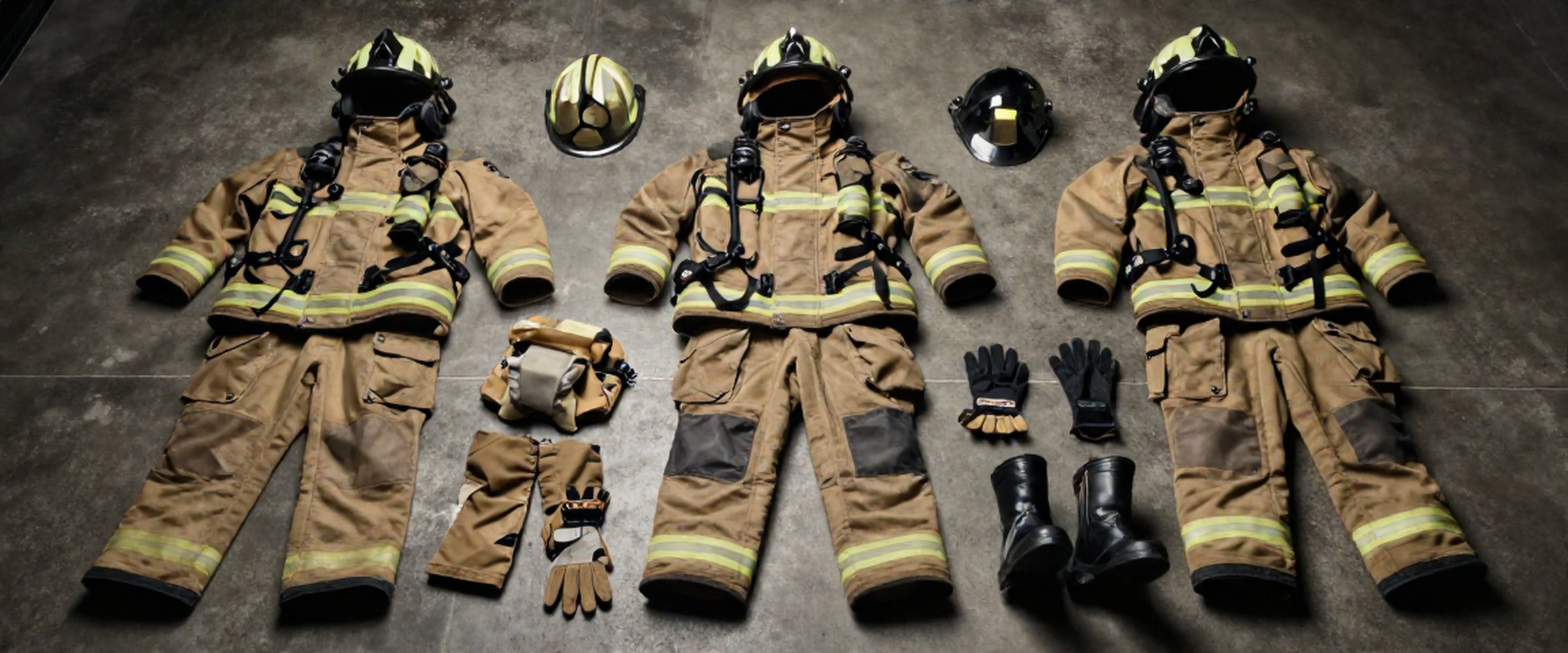
Structural protective apparel is five elements: the coat and trousers, the helmet, the hood, the boots and the gloves. NFPA 1970 certifies them as a system, not as a shopping list, and that is the single most useful thing to hold on to when you specify gear.
A certification describes a tested combination. The turnout composite is certified as shell, moisture barrier and thermal liner together, so substituting one component means the label no longer describes what your members are wearing. The same logic runs through the ensemble: a helmet is certified with the eye protection supplied with it, and a hood is designed to close the gap between the coat collar, the helmet earflaps and the facepiece. The interfaces between elements are where protection is most often lost, and no single element’s spec sheet describes them.
Selection runs the other way around from how it is usually done. NFPA 1850 asks a department to start from the hazards its members actually face and specify against those, rather than starting from a catalog. If you have not documented that yet, the structural PPE risk assessment on this site walks through it section by section and produces something you can hand to a supplier or attach to a grant application.
The elements
Coat & Pant
Three layers doing three different jobs, certified as one composite. Fiber, yarn and weave in the outer shell, the barrier that has to keep liquid out while letting vapor through, and the liner where the insulation against heat stress trade-off is decided.
Helmets & Eye Protection
Head protection and eye protection, certified together and retired together. Why a faceshield is secondary protection and goggles are primary, what balance does to the neck, and the ten year clock that runs from date of manufacture.
Hoods
Particulate blocking went from optional to mandatory, so a knit hood is no longer a compliant one. What the filtration figure covers, why breathability is held to a higher bar than the coat, and the three interfaces the hood has to hold.
Pages on boots and gloves are in preparation. Until they are here, the footwear and hand protection sections of the risk assessment cover the same ground question by question, and cleaning and care applies to every element of the ensemble.
General information for fire service decision makers, not a specification and not compliance advice. It names no manufacturer and endorses no product. NFPA and the standards referenced here are the property of the National Fire Protection Association; FireBrigade.com is not affiliated with, endorsed by, or speaking for NFPA.