 Advertisement
A structural turnout coat is not one garment. It is three layers doing three different jobs, certified as a system, and almost every specification decision is a trade between them. This page explains how the three fit together and what NFPA 1970 requires of the combination; each layer then has a page of its own.
This page is sponsored by Safety Components. It names no manufacturer and endorses no fabric: sponsorship pays for the page and did not decide what it says. Ask any supplier for their own certified composite’s figures before you specify.
The three layers
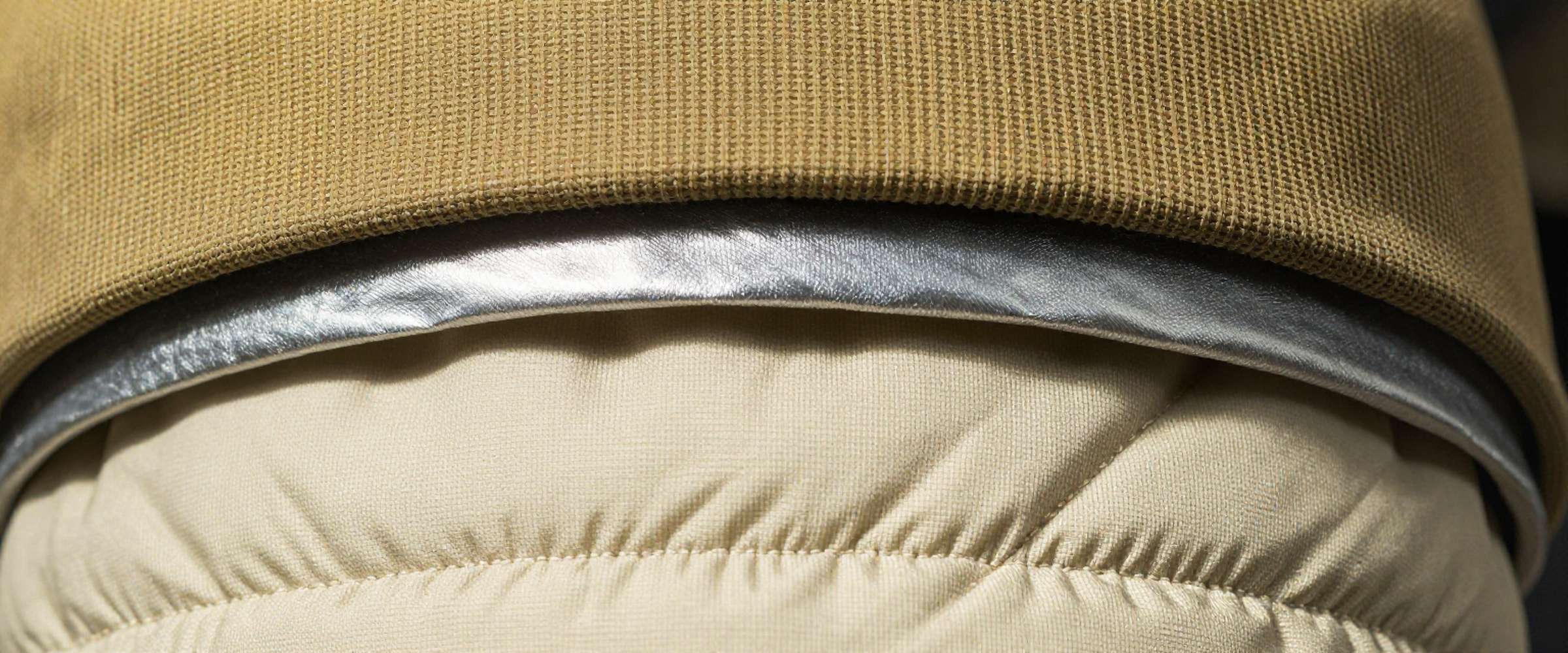
From the outside in, a structural ensemble element is built from an outer shell, a moisture barrier and a thermal liner. They are tested and certified together as a composite, which is why mixing components across manufacturers is not a free choice: the certification belongs to the combination, not to any one layer.
Outer Shell
Takes the flame contact, the abrasion, the snags and the UV. It carries the reflective trim and most of the garment’s tear and tensile strength. Fiber, yarn and weave each change how it performs, independently of one another, and the figures that matter are the ones measured after UV conditioning, not when new.
Moisture Barrier
A film or membrane laminated to a substrate. It keeps water, blood and chemicals out while letting perspiration vapor escape, and it is the layer most easily damaged by heat, folding and improper cleaning. It is also where the PFAS question actually sits.
Thermal Liner
Usually a quilted batting on a face cloth. It provides most of the insulation and most of the garment’s bulk and weight, and it is where the trade-off between thermal protection and breathability is decided, and the one specification choice most likely to be got wrong by playing safe.
Why they are specified together
Every number a supplier quotes for an ensemble is a property of the tested combination. Thermal protective performance and total heat loss are composite figures. The barrier’s water resistance is evaluated with the shell and liner around it. Even the shell’s UV performance is now assessed in composite form. Substituting one layer does not simply change that layer; it invalidates the description of the whole garment.
This is the practical reason a department cannot assemble a better coat by picking the best-performing layer from three different makers, and the reason a quotation should always name the specific shell, barrier and liner together.
What NFPA 1970 requires
NFPA 1970, Standard on Protective Ensembles for Structural and Proximity Firefighting, Work Apparel, Open-Circuit Self-Contained Breathing Apparatus (SCBA) for Emergency Services, and Personal Alert Safety Systems (PASS), is the 2025-edition consolidation of four standards a department used to have to read together:
- NFPA 1971: the structural and proximity ensemble (last standalone edition 2018)
- NFPA 1975: station and work uniforms (2019)
- NFPA 1981: open-circuit SCBA (2019)
- NFPA 1982: PASS devices (2018)
For the ensemble, the standard sets minimum performance for the composite rather than dictating materials: flame and heat resistance, thermal protective performance and total heat loss, tear, tensile and seam strength, water penetration and liquid resistance for the barrier, visibility trim performance, and the labeling and certification that ties a garment to a tested combination. It also brought in requirements on PFAS and hundreds of other restricted substances, verified independently as part of certification, covered on the moisture barrier page.
Two things follow that are worth stating plainly. A garment meeting NFPA 1970 is meeting a minimum; two certified coats can perform very differently above that floor. And selection is meant to start from your hazards, not from a catalog: NFPA 1850 requires a risk assessment before you select an ensemble at all.
This page and the three layer pages describe fabric technology and the shape of the standard in general terms. They name no manufacturer and endorse no product. Test values, blend ratios and constructions vary between makers and between fabrics from the same maker, so ask any supplier for the certified composite’s own figures, new and after UV conditioning, and confirm the edition of NFPA 1970 your authority having jurisdiction has adopted.
What to ask a supplier
- What is the certified composite, meaning which outer shell, barrier and liner together?
- TPP and THL for that composite, not for the shell alone.
- Tear and tensile strength new and after UV conditioning.
- Shell weight in ounces per square yard, and the fiber blend and yarn type behind it.
- What the moisture barrier is, which liquid-protection test it was qualified under, and what cleaning it will and will not tolerate.
- What the barrier and liner do to total heat loss, and what that means for the work our members actually do.
- Which of these figures change if any single component is substituted.
Once the gear is in service, keeping it performing is a separate discipline; see cleaning and care.
General information for fire service decision makers, not a specification and not compliance advice. It names no manufacturer and endorses no fabric. NFPA and the standards referenced here are the property of the National Fire Protection Association; FireBrigade.com is not affiliated with, endorsed by, or speaking for NFPA.
 Advertisement