
 Advertisement
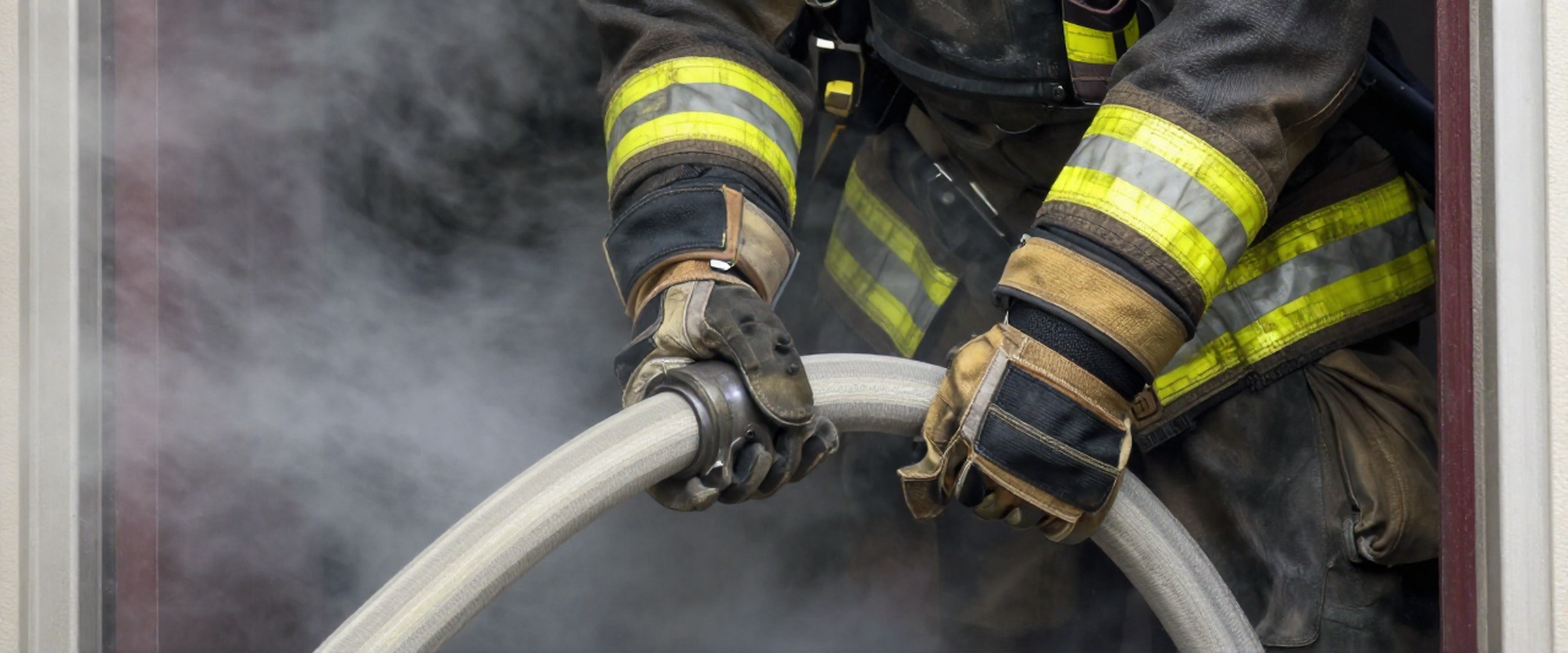
The glove is the element your members complain about, and the one they take off. It is also the hardest thing in the ensemble to design, because everything that makes a glove more protective makes it worse at the job the hands are there to do. Nothing else in the kit forces that trade so directly, and no purchase goes wrong more quietly: a glove that is too bulky gets removed on the fireground, and a glove that comes off is worth nothing at all.
Up to five layers, in something the size of a hand
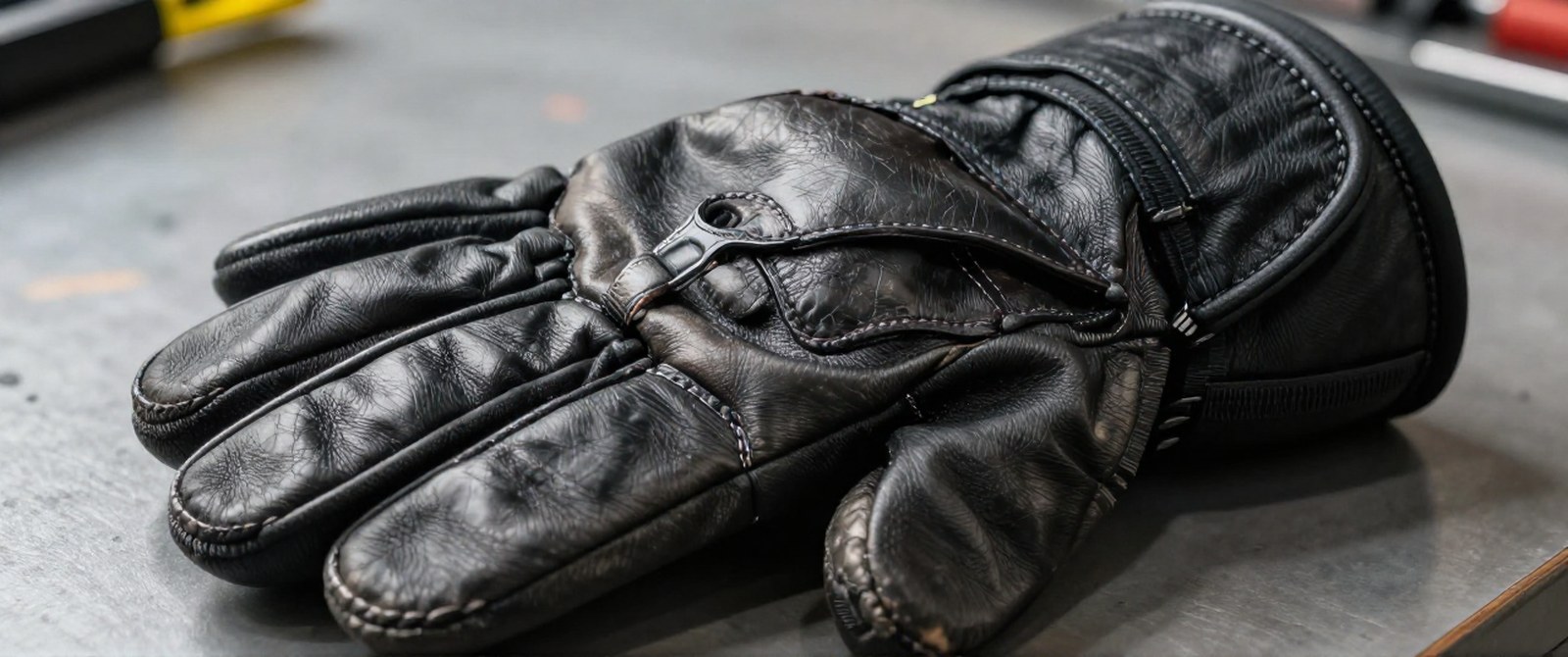
A structural glove carries the same three protective layers as the coat, plus the pieces that let a hand bend. An outer shell, usually leather, takes the abrasion and the flame. A moisture barrier keeps water, fireground runoff and bloodborne pathogens out. A thermal liner carries the insulation. A wristlet closes the gap at the sleeve, and fourchettes, the narrow strips between the fingers, are what let the glove close without the layers bunching.
Those layers have to work as an assembly in a space where a quarter of an inch of extra thickness is felt immediately. The leather matters too: cowhide, goatskin, kangaroo and water buffalo behave differently when they are soaked and dried repeatedly, and that is the condition gloves actually live in. Ask what the shell is, not only that it is leather.
What the standard tests
Glove requirements moved into NFPA 1970 when it consolidated the structural ensemble standards. A certified structural glove is tested for:
- Flame and conductive heat resistance, the second of which is what stops a hand being burned through the palm while holding something hot.
- Liquid penetration, with the test method updated in the 2025 edition for more consistent results.
- Viral penetration: the barrier must not pass the Phi-X-174 bacteriophage for at least one hour.
- Cut and puncture resistance, for the debris and glass that hands meet first.
- Hand function and grip, measured against bare hand performance rather than against another glove.
- Heat resistance, with clarifications added in the 2025 edition, including how shrinkage is measured.
Every certified glove passes all of it. What separates one certified glove from another is where the maker spent the margin, and the tests below are where you can see that choice.
Dexterity and grip are scored against your bare hand
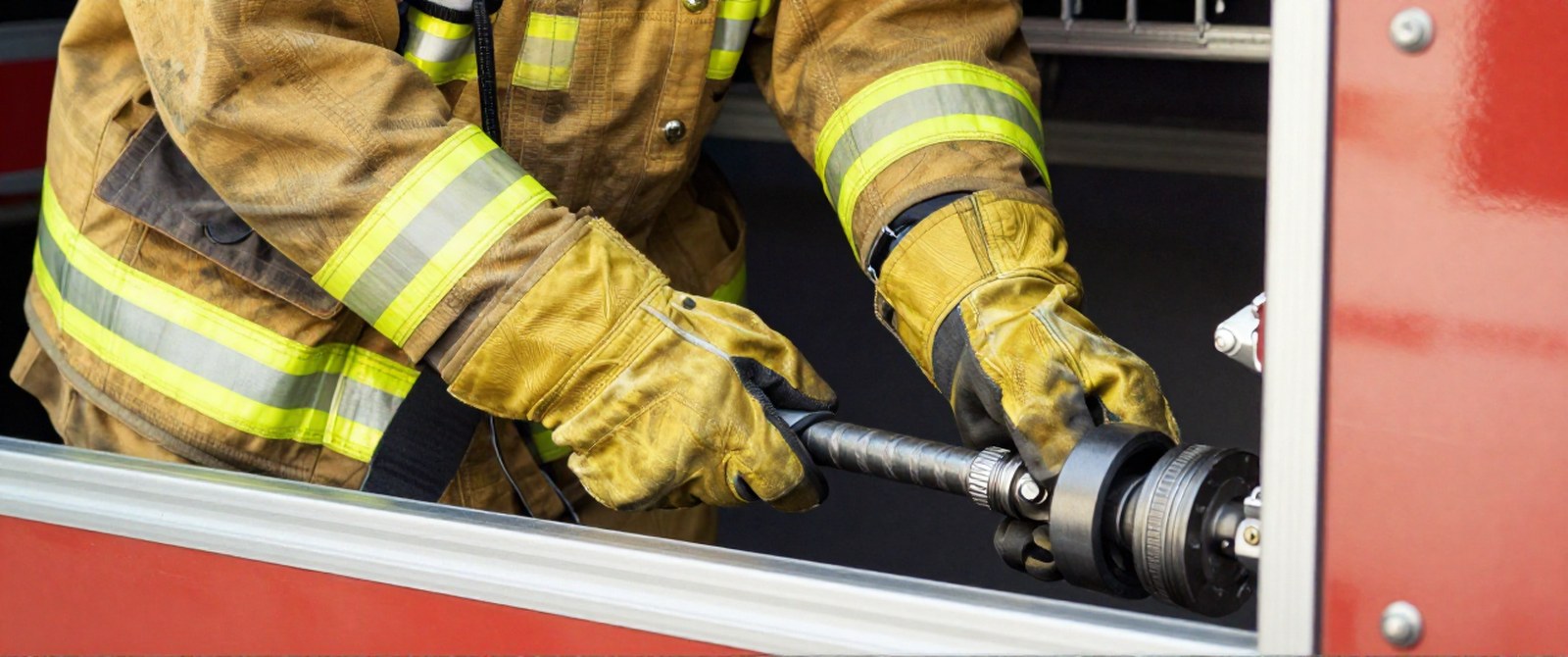
This is the part of glove certification worth understanding, because it is unusual. Dexterity is measured by timing a person placing small pins on a pegboard barehanded, then repeating it gloved, and comparing the two. Grip is measured the same way: peak pulling force on a rope or bar, gloved against barehanded. Related methods time the assembly of bolts and nuts with hand tools, or measure the force needed to close the empty glove.
So a glove’s dexterity rating is a percentage of what a hand can do without it, and no glove scores 100. Ask a supplier for their model’s ratings rather than for an adjective, and ask what the bare hand baseline was. A number without its method is marketing.
Hands burn on the back, not the palm
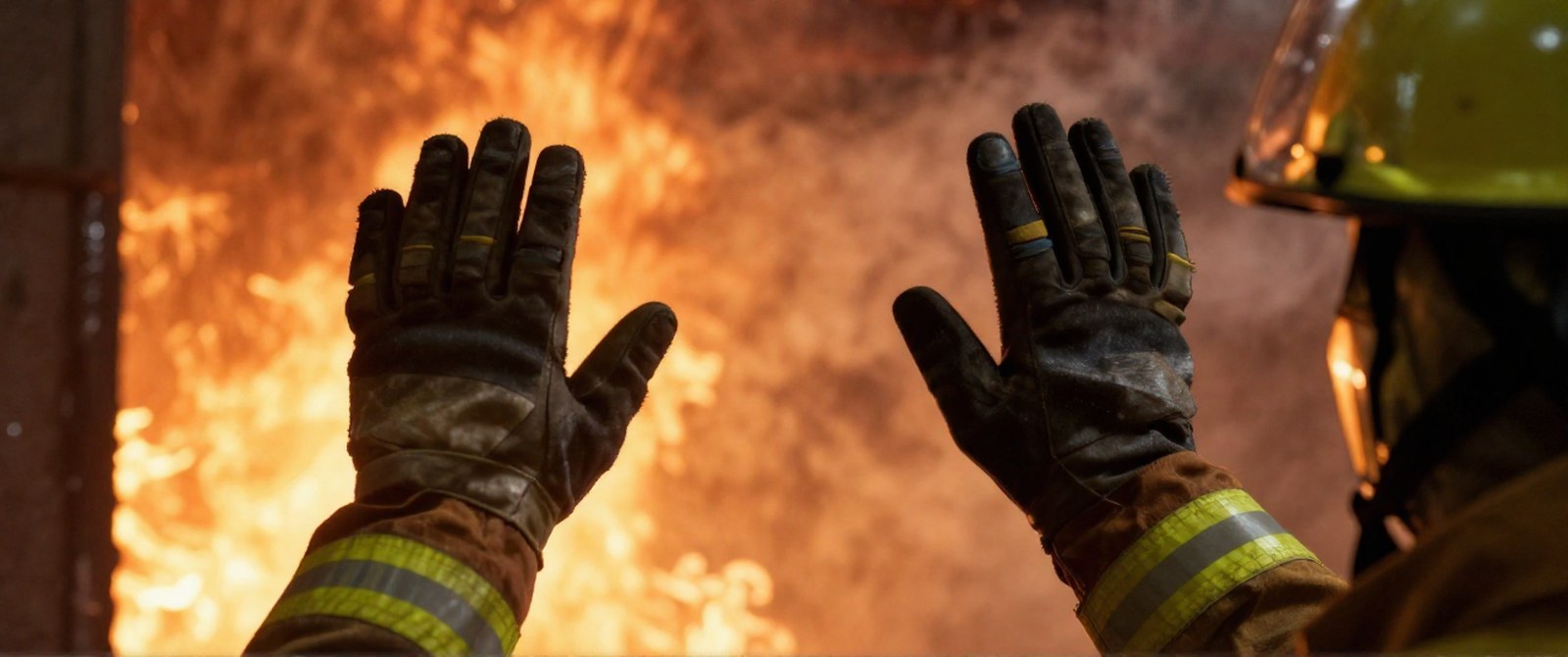
Firefighters are burned on the backs of their hands, and the requirement for back of hand thermal performance was raised in the 2018 edition for exactly that reason. It is worth carrying that into a purchase: a glove can feel excellent on the apparatus floor, where you judge it by palm feel and finger movement, and still be the thinner of two choices where burns actually happen.
If your members are reporting hand burns, that is evidence about the glove you issue, not about how they are working. A more thermally protective glove will be felt as a loss of dexterity, so make that trade deliberately and say out loud that you are making it when the new glove is issued. A trade nobody explains gets reversed quietly, by members who leave the gloves in a pocket.
Sizing is a measurement, not a guess
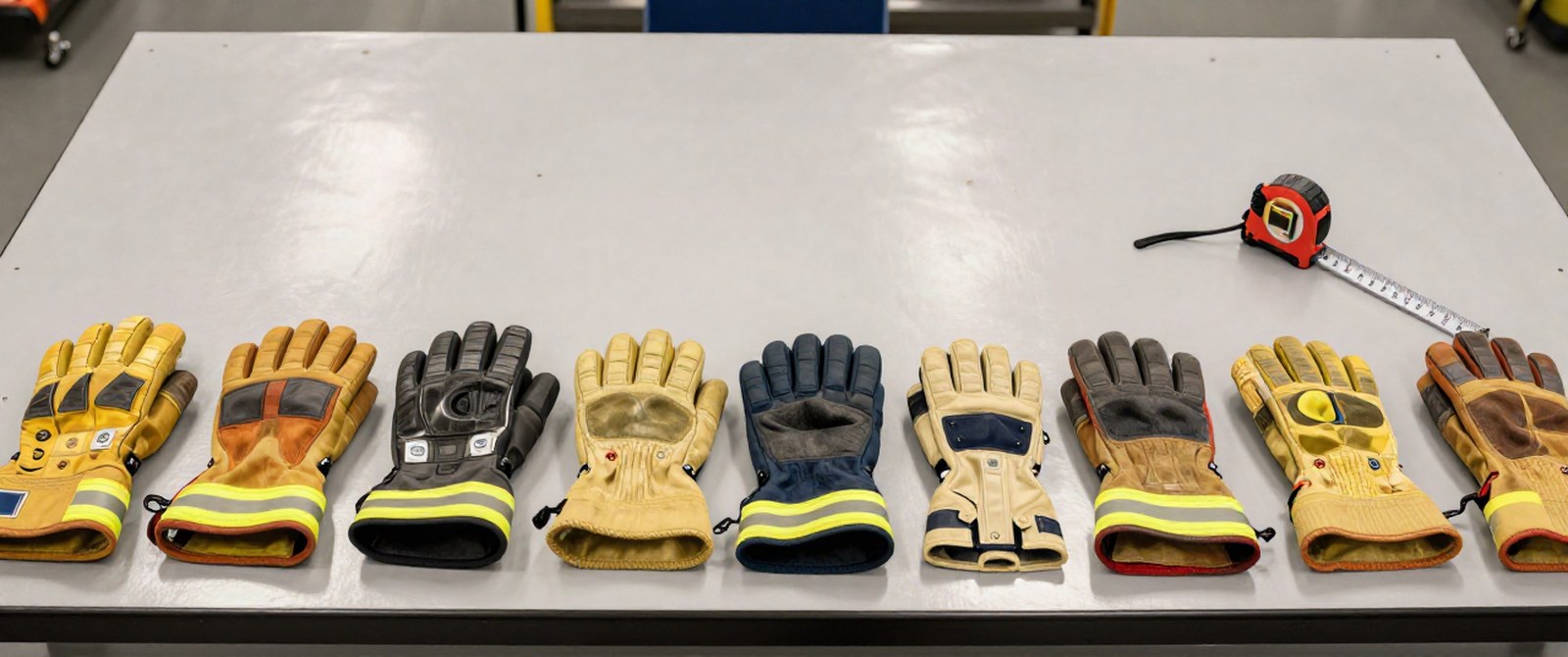
Glove sizing stopped being small, medium and large some time ago. The current scheme sizes by hand measurement, index finger length and hand breadth in millimeters, across a set of standardized sizes, and it came out of anthropometric data rather than a maker’s house pattern. The 2025 edition also allows alternative sizing systems, provided they are built on detailed hand measurements.
The practical consequence is simple: measure hands, do not ask people their size. A sizing device or gauge from the maker takes a minute per member and is the single cheapest thing you can do for glove satisfaction. It matters more for members whose hands sit at the ends of the range, which in most departments means it matters most for the people who are currently issued something that does not fit.
Laundering, care and the ten-year clock
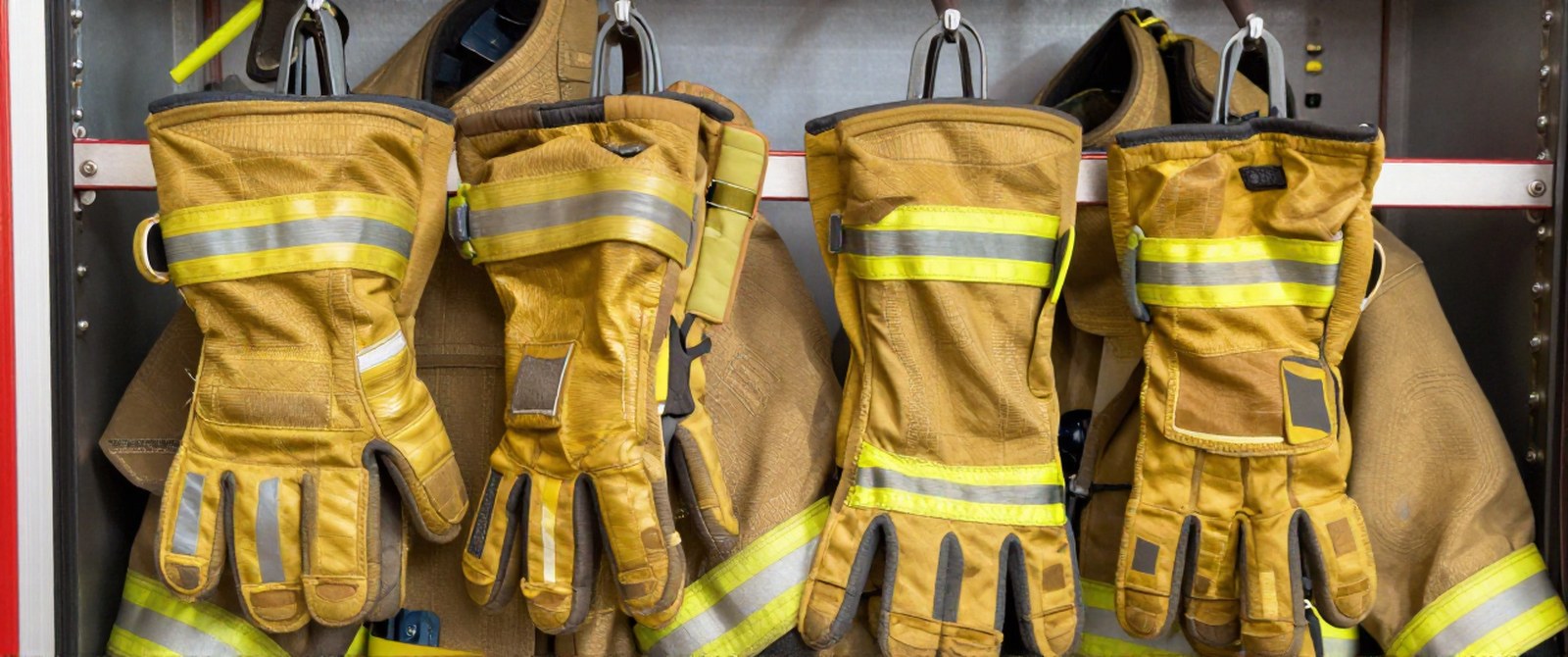
Selection, care, maintenance and retirement sit in NFPA 1850, and gloves retire on the same clock as the rest of the ensemble: no more than ten years from the date of manufacture. In practice very few gloves reach it. They are the element that wears out honestly, and a glove that is stiff, split at a seam or shrunken is finished whatever its date says.
Cleaning is where gloves are lost early. Leather stiffens and shrinks when it is dried with heat, and a shrunken glove fails the fit it was sized for. Follow the maker’s instructions for whether a model may be machine laundered at all, dry away from direct heat, and treat “they came back stiff” as a care problem to fix rather than a reason to buy a different glove. Contaminated gloves still have to be cleaned: the answer to a dirty glove is never to keep wearing it.
The PFAS question, and what it covers on a glove
NFPA 1970 treats a glove’s principal textile materials as recognized components that have to meet its limits on restricted substances, and those limits are also where total fluorine testing sits. On a glove the layers in scope are the outer shells, the moisture barriers, the innermost linings and the wristlets, and fourchettes count as part of them. Thread, elastic, labels, hook and loop fastener tape and reinforcement layers do not.
Leather is excluded, because the test methods have not been validated for it. That is worth holding onto, because most structural gloves are leather-shelled: a PFAS or restricted substances statement on a glove describes the textile layers that were tested, and says nothing about the leather. Where a maker does make a claim, the standard’s labeling route is a declared total fluorine concentration of no more than 100 ppm, which is a threshold and a test result, not a guarantee of absence.
Questions worth asking a supplier
- Which standard and edition is this model certified to, and may we see the label and the certification listing?
- What are this model’s dexterity and grip ratings, and by which test methods?
- What is the back of hand construction, and how does it compare with the palm?
- Which leather is the shell, and how does it behave after repeated wetting and drying?
- Which sizes does this model ship in, can we borrow a sizing device, and are there patterns cut for smaller hands rather than scaled down ones?
- May this glove be machine laundered, and what does the maker require for drying?
- If the glove carries a restricted substances or fluorine statement, which layers were tested and which were excluded?
This page describes structural gloves in general terms and names no manufacturer. Constructions, leathers, patterns and test results vary between makers and between models from the same maker, so ask any supplier for the figures on the certified product you would actually buy.
A glove is certified as a finished product, and the wristlet still has to work with the coat sleeve your members wear. See protective apparel for how the ensemble is certified as a system.
Related
Coat & Pant
The garment the wristlet meets, its three certified layers, and what NFPA 1970 requires of the ensemble as a whole.
Cleaning of PPE
How the ensemble is cleaned and dried, and why heat is what finishes a leather glove before its ten years are up.
General information for fire service decision makers, not a specification and not compliance advice. It names no manufacturer and endorses no product. NFPA and the standards referenced here are the property of the National Fire Protection Association; FireBrigade.com is not affiliated with, endorsed by, or speaking for NFPA.
 Advertisement