 Advertisement
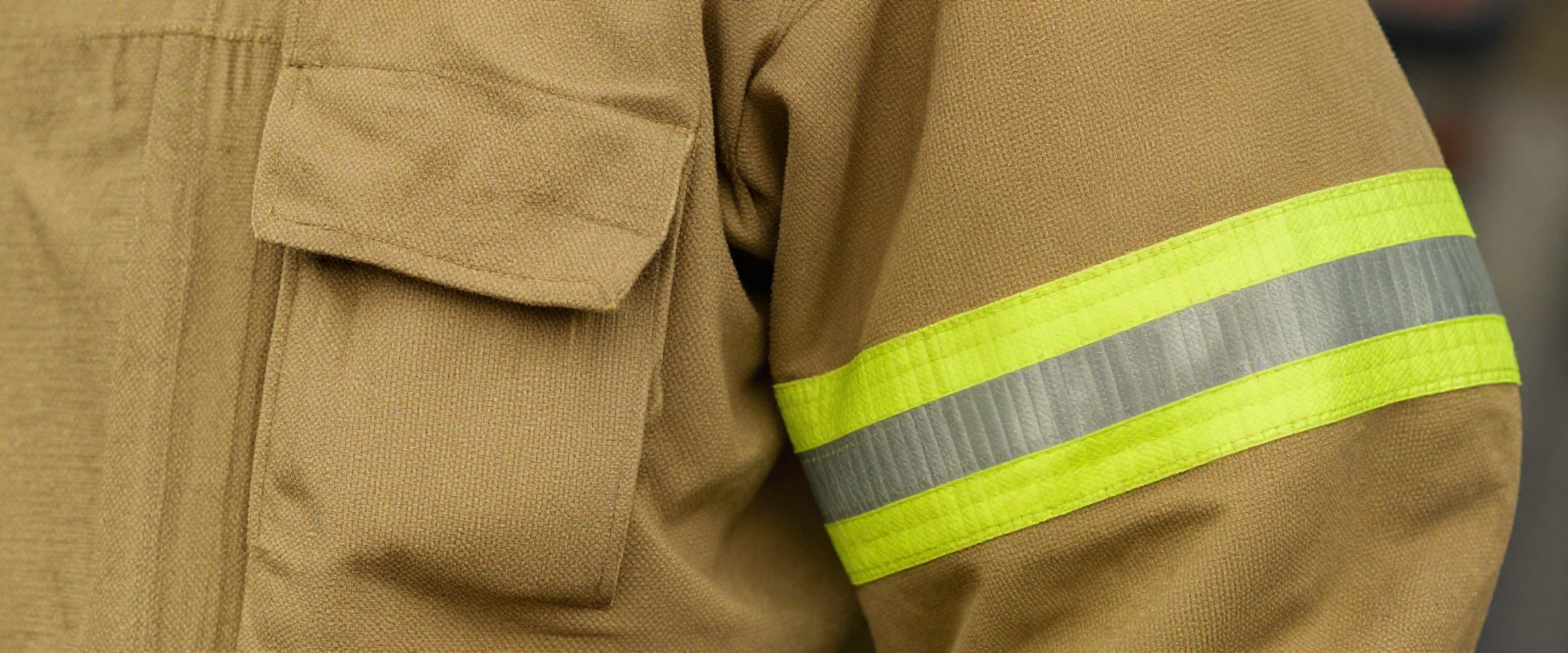
The outer shell is the layer that meets the fire, the floor, the door frame and the sun. It takes the flame contact, the abrasion and the snags, it carries the reflective trim, and it supplies most of the garment’s tear and tensile strength. It is also the layer whose performance changes most over a working life.
Three variables decide how a shell performs, and they are independent of one another. Two shells built on the same fiber can behave quite differently, which is why a fiber name on a spec sheet settles less than departments assume.
Fiber
Structural outer shells are blends of high-performance fibers, each contributing something the others do not. Para-aramids bring tensile and tear strength. Meta-aramids bring thermal stability and form char rather than melting. PBI and similar polymers resist char cracking at high heat and hold their integrity at temperatures where other fibers have already embrittled. Almost every shell is a blend precisely because no single fiber is best at everything, and the blend ratio is where a manufacturer makes its trade.
Yarn: filament against spun
This is the variable departments most often overlook, and it can matter more than the fiber. A spun yarn is made from short staple fibers twisted together. A filament yarn is continuous. Continuous filament is substantially stronger than spun yarn of the same fiber (roughly double, in the case of para-aramid) because strength is not being given up at the ends of every short fiber.
That gap matters most after the gear has been in service. Outer shells lose strength to ultraviolet exposure across their working life, and constructions built on filament yarns start higher and retain more of it. So when you compare shells, ask for tear and tensile figures new and after UV conditioning. A shell that looks strong on the new-fabric line can be the weaker garment in year five.
Weave
The same yarns woven differently give different fabrics. Ripstop constructions put a reinforcing grid through the weave so that a tear which starts does not run. Twill constructions give a denser, more abrasion-resistant surface with better drape, which is part of why they feel different to work in. Constructions combining a twill ground with filament yarns are how manufacturers have driven weight down while holding strength; several are patented and carry trademarked names, but the underlying idea does not change with the branding.
The practical result of all three variables together is that shells in the region of 6 to 7 ounces per square yard now deliver thermal performance that used to require noticeably heavier cloth. For a firefighter carrying that weight up stairs for a career, lighter at equal protection is not a cosmetic gain; it is less cardiovascular load on every call.
The water-repellent finish
Shells carry a durable water repellent (DWR) finish so the fabric does not take on water, because a saturated shell is heavier, conducts heat faster and breathes less. That finish is a consumable: it wears off with use and laundering, and it is renewable. Whether a given shell’s finish can be restored, and by whom, is a question for the manufacturer and your service provider rather than something to assume.
DWR finishes on outer shells were historically fluorinated. That use has been generally phased out over the last few years by material suppliers and garment makers, and the wider PFAS picture, including how NFPA 1970 handles it and why no product is labeled “PFAS free”, is set out on the moisture barrier page, since the barrier is where the harder part of that question sits.
What wears a shell out
- Ultraviolet light. The slow one, and the one departments forget because the damage is invisible. Gear left in sunlight, or on an open apparatus floor, ages faster than its calendar life suggests.
- Abrasion and snags. The visible one. Reinforcement at knees, elbows, cuffs and shoulders is a specification choice, and it is worth matching to the work your members actually do.
- Thermal exposure. Char, embrittlement and loss of strength, concentrated wherever the garment saw the most heat.
- Soiling left in place. Contaminants held against the fabric do it no good, and a dirty shell also absorbs more radiant heat than a clean one.
All four are what an advanced inspection is looking for, and they are why the standard ties the shell’s condition to a documented care program rather than to a replacement date. See cleaning and care.
This page describes fabric technology in general terms and names no manufacturer. Blend ratios, constructions and test values vary between makers and between fabrics from the same maker, so ask any supplier for the certified composite’s own figures, new and after UV conditioning.
Remember that certification belongs to the composite, not to the shell. A shell’s numbers describe it in the combination it was tested in; substituting a barrier or liner means the certification no longer describes what your members are wearing. See what NFPA 1970 requires.
The other two layers
Moisture Barrier
Keeps water, blood and chemicals out while letting perspiration vapor through, and the layer most easily damaged by heat, folding and bad cleaning.
Thermal Liner
Most of the insulation, most of the bulk, and the layer where the TPP against THL trade-off is actually decided.
General information for fire service decision makers, not a specification and not compliance advice. It names no manufacturer and endorses no fabric. NFPA and the standards referenced here are the property of the National Fire Protection Association; FireBrigade.com is not affiliated with, endorsed by, or speaking for NFPA.
 Advertisement